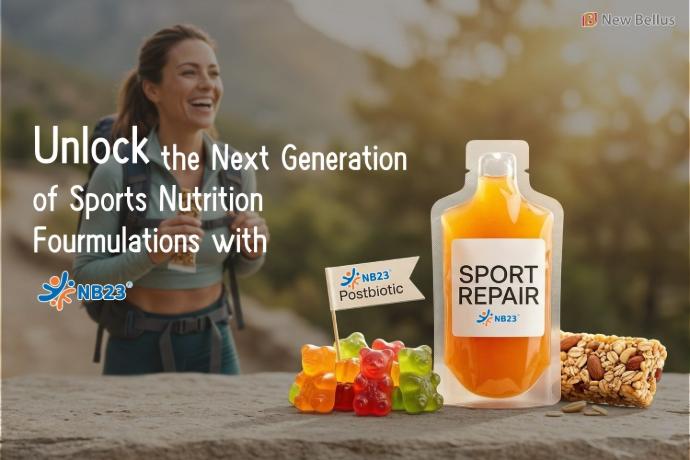
Introduction: From "Functional Supplements" to "Snackification," the Formulation Challenges Faced by Brands
The sports nutrition market is ushering in a massive paradigm shift. According to the latest report by Grand View Research, the global sports nutrition market size is expected to exceed USD 81.8 billion by 2030, with a compound annual growth rate (CAGR) of 7.4%. The main force driving this phenomenal growth has expanded from professional athletes to the massive "active lifestyle consumer" demographic.
This consumer group, equipped with high spending power, is changing the rules of the game in the market. Many brands have found that traditional capsules and tablets face a promotional bottleneck of "pill fatigue". According to data from the Nutrition Business Journal (NBJ), non-traditional dosage forms such as gummies are growing at double-digit rates in the adult nutrition market. This data corroborates a shift in consumer market demand—to increase consumers' willingness for daily supplementation, repurchase rates, and product stickiness, market trends are rapidly shifting towards developing functional carriers that feature "convenience" and a "snack-like taste".
However, when products evolve into gummies, energy gels, or energy bars, can the originally fragile functional ingredients—especially probiotics—survive? Although traditional probiotics are beneficial for gut health and sports recovery, live bacteria are highly sensitive to processing conditions; for instance, high-temperature baking or prolonged liquid storage can affect their survival rate, thus often limiting product development formats. This is precisely the critical moment for the rise of NB23 Postbiotic.
Technology Unveiled: How Do NB23 Postbiotic Empower Multi-Dosage Form Innovation?
According to the definition by the International Scientific Association for Probiotics and Prebiotics (ISAPP), a postbiotic is a "preparation of inanimate microorganisms and/or their components that confers a health benefit on the host". Simply put, NB23 Postbiotic are probiotics treated with a specialized heat technology, fully retaining the immune-activating factors and key metabolites within the bacterial cells. It solves the trickiest processing pain points for brands:
A
Ultimate Heat Stability
Traditional live bacteria often suffer a decline in viable count under processing conditions exceeding 45°C; in contrast, NB23 Postbiotic are produced via a special heat treatment and are no longer active, enabling them to be stably applied in high-temperature food processing such as gummy boiling and energy bar baking.
B
Outstanding Acid/Alkali Resistance and High Water Activity Tolerance
They are not easily affected by the stomach acid environment, nor will their functional stability be compromised in high-moisture liquid products like jellies.
C
Significant Reduction in Supply Chain Costs
They do not require cold chain transportation, making them an ideal functional additive for room-temperature shelf snack products.
Dosage Form Strategy: Applications and Breakthroughs for Four High-Potential
Dosage Forms By mastering the processing characteristics of NB23 Postbiotic, brands can address the technical pain points of different dosage forms to create blockbuster products with "sports functionality":
1. Functional Gummies
-
Technical Pain Point: The gummy manufacturing process requires high-temperature boiling and acidic adjustments, making it nearly impossible for live bacteria to survive.
- NB23 Postbiotic Solution: The thermal stability of NB23 Postbiotic allows them to be seamlessly applied to the gummy manufacturing process. You can develop a "Sports Recovery Gummy," claiming that while enjoying the chew, consumers can adjust their physical constitution and combat fatigue through NB23 Postbiotic, completely without affecting the taste.
2. Energy Bars
-
Technical Pain Point: Energy bar products must undergo baking or high-pressure extrusion processes, which presents a remarkably harsh processing environment for traditional live bacteria.
- NB23 Postbiotic Solution: Even after baking, the immune-activating factors and key metabolites of NB23 Postbiotic remain undamaged. This allows brands to launch "Gut-Friendly Energy Bars," utilizing NB23 Postbiotic to enhance absorption and accelerate post-exercise recovery while providing oats and protein.
3. Functional Energy Gels
-
Technical Pain Point: A liquid, high-water-activity environment often causes live bacteria to gradually lose viability during storage, leading to higher transportation and preservation costs (requires refrigeration) and potentially failing to maintain sufficient effective bacteria counts at the end of the shelf life.
- NB23 Postbiotic Solution: Postbiotics have extremely high stability and can be preserved long-term even in liquid energy gels. Combined with electrolytes and BCAAs, adding NB23 Postbiotic can target the "Marathon Anti-Fatigue Energy Supplement" market, promoting a product that requires no refrigeration and is ready to consume.
4. Nutritional Powder Pouches
-
Market and Formulation Pain Point: The high-protein powder market is highly homogenized. Furthermore, many end consumers often face gastrointestinal tolerance issues like indigestion and bloating when consuming high doses of whey protein, impacting long-term repurchase rates.
- NB23 Postbiotic Solution: Many people experience gastrointestinal discomfort (bloating, indigestion) after consuming high-dose whey protein. Adding NB23 Postbiotic into protein powders not only exerts its sports functionality but also serves as an "assistor" to optimize the gut environment and improve protein utilization rates.
Scientific Evidence: Outstanding Sports Functionality Validated by Publication in the International Journal "Nutrients"
For B2B procurement and R&D, raw materials must not only be easy to process but also "truly effective". According to a recent study published in the internationally renowned nutritional journal "Nutrients," exclusively heat-treated NB23 Postbiotic not only possess extremely high safety (no risk concerns associated with live bacteria) but have also demonstrated powerful support for exercise and fatigue in animal experiments:
Accelerated Fatigue Recovery
Experimental data show that taking NB23 Postbiotic can effectively reduce the concentration of metabolites such as blood lactate, blood ammonia, and blood urea nitrogen (BUN) after exercise, significantly shortening the muscle and physical recovery period.
Support for Endurance Performance
Through potential regulatory mechanisms like the "Gut-Muscle Axis," NB23 Postbiotic have shown excellent effects in prolonging exercise endurance in animal experiments.
Immune Defense Support
Addresses the temporary drop in immunity (the open window period) following intense exercise, helping to maintain the body's defense barrier.
Read More: [New Bellus NB®23 Postbiotic for Muscle Endurance]
FAQ
Formulation Clarifications for R&D and Product Managers
A: The biggest differences lie in "product stability" and "dosage form flexibility". Traditional probiotics are highly sensitive to high temperatures and moisture, making them difficult to apply in energy bars (which require baking) or gummies (which require boiling). In contrast, NB23 Postbiotic undergo a specialized heat treatment technology, allowing them to withstand high temperatures and acidic/alkaline environments, ensuring that the functional components remain stably effective before the end of the product's shelf life without sacrificing efficacy due to the manufacturing process.
A: Yes, science confirms they remain effective. According to New Bellus's research on NB23 Postbiotics, their efficacy comes from their cell wall components and metabolites. These key factors can communicate signals with the body via the gut immune system (such as the Gut-Muscle Axis), demonstrating effects comparable to or even more stable than live bacteria in combating fatigue, reducing lactic acid accumulation, and enhancing exercise endurance.
A: The application range for NB23 is extremely broad, covering almost all popular dosage forms, including functional gummies, jellies, energy gels, energy bars, protein powders, and even RTD sports drinks. Formulation-wise, its nature is mild, and it can be consumed alongside whey protein, BCAAs, creatine, or caffeine; it can even help regulate the gut environment to optimize the absorption rate of nutrients.
A: The market is rapidly moving towards "daily incorporation and lifestyle scenarios," with the biggest growth momentum coming from "Active Lifestyle Consumers," which include amateur runners, triathlon enthusiasts, weekend hikers, yoga practitioners, and sedentary office workers hoping to improve their metabolism and health status. Compared to traditional health supplements, they prefer products that are "tasty, convenient, and un-pill-like," such as gummies or jellies, which is exactly the blue ocean opportunity that NB23 Postbiotic technology can help brands tap into.
New Horizons in Sports Nutrition
Sports nutrition products are evolving toward greater convenience, snackable formats, and formulation versatility. Explore our “New Horizons in Sports Nutrition” video series for insights into market trends, the processing characteristics of New Bellus NB®23 Postbiotic, and its formulation potential in functional gummies, jellies, and energy bars.
Conclusion: Small Things Creating Big Value—Collaborating to Create the Next Generation of Blockbuster Products
The future sports nutrition market will belong to those brands that can break the myth that "good medicine tastes bitter". The development of New Bellus NB® 23 Postbiotics is based precisely on our core philosophy of "Micro-Fermentation Craftsmanship, Infinite Value". Not only does it provide scientifically validated anti-fatigue and endurance support, but its cold-chain-free, high-heat tolerance features grant brands and R&D teams immense formulation flexibility.
Whether it involves heat-resistant gummies, room-temperature functional jellies, or baked energy bars, the New Bellus team can provide you with the most professional raw material and formulation recommendations to jointly capture the massive sports nutrition blue ocean of 2030.
Read More about Probiotic Raw Materials: High-stability strains backed by rigorous science. Explore our Probiotic Powders
[Disclaimer] The content of this article is explained based on the latest academic research and is provided solely for internal R&D, procurement, and product planning reference by B2B corporate clients. The health benefits and mechanisms of action mentioned herein are explained according to journal content, do not target any specific product, and must not be directly cited in consumer-facing product advertising, promotional materials, or any form of claims. The advertising and claims of end products must comply with local food or health food regulations and can only be published after approval by the competent authorities. The company assumes no responsibility for any unauthorized or improper product claims.
Reference:
1. Grand View Research (2024). Sports Nutrition Market Size, Share & Trends Analysis Report.
2. Allied Market Research. Sports Nutrition Market by Product Type and Distribution Channel - Global Opportunity Analysis and Industry Forecast, 2021-2030.Nutrition Business Journal (NBJ). Supplement Business Report (Focus on Gummy Format Growth).
3. New Bellus Research. (2025). Supplementation with Heat-Treated Lacticaseibacillus paracasei NB23 Enhances Endurance and Attenuates Exercise-Induced Fatigue.
4. Frontiers in Nutrition. (2024). Probiotics and Postbiotics in Sports Nutrition: Mechanisms, Efficacy, and Future Perspectives.
5. Nutrients. (2025). Postbiotics as a Novel Strategy for Muscle Recovery and Immune Modulation in Athletes.
6. ISAPP Consensus Statement. (2021). The International Scientific Association for Probiotics and Prebiotics (ISAPP) consensus statement on the definition and scope of postbiotics. Nature Reviews Gastroenterology & Hepatology.